Tag: Holy Spirit Health

  • Your Dentist Isn't Telling You This (And Here's Why)

    Your Dentist Isn't Telling You This (And Here's Why)

    You brush twice a day. You floss (mostly). You use mouthwash that burns like fire because pain equals progress, right? And yet… your teeth still feel sensitive when you drink something cold. Your gums still bleed. That tiny chip in your molar isn’t getting any better.

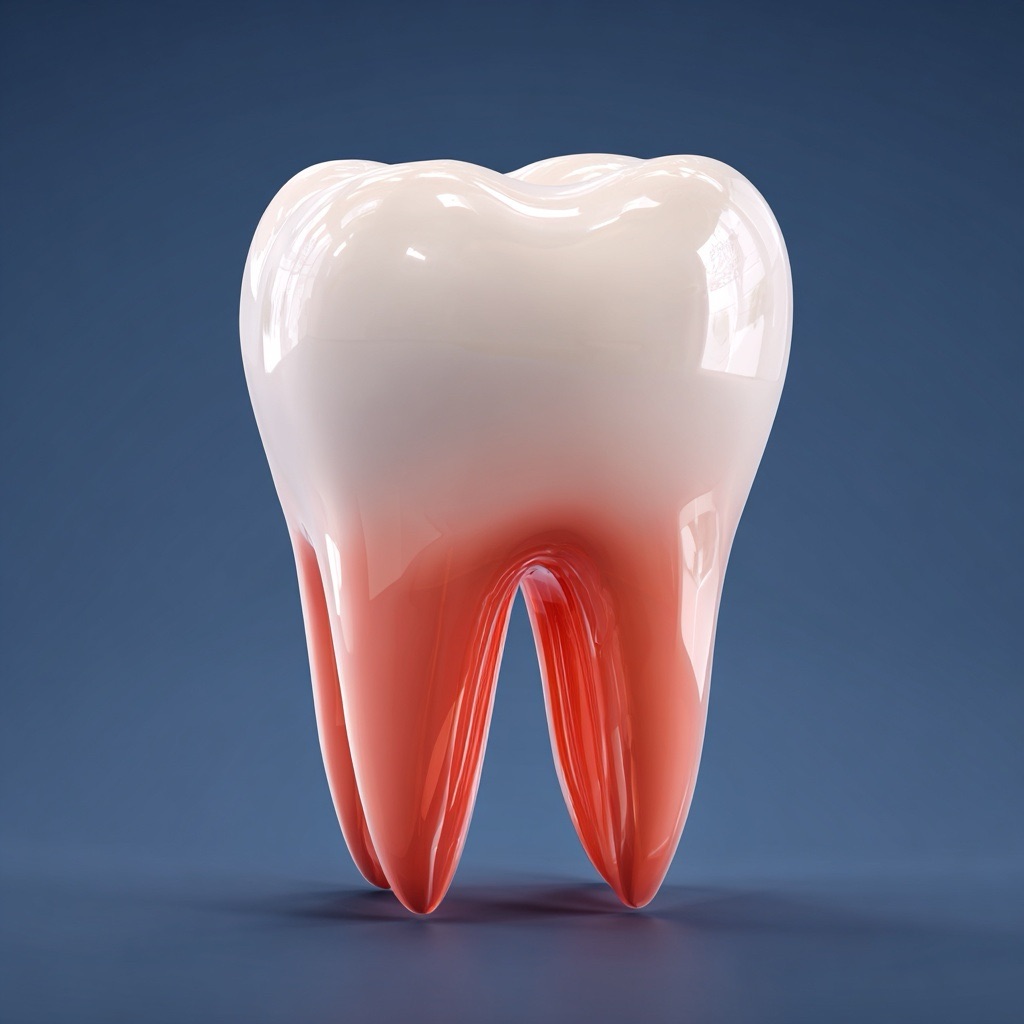
    Here’s what most people don’t realize: Your teeth aren’t like your fingernails. They’re not dead keratin that just keeps growing. They’re living tissue with blood vessels, nerves, and an extraordinary capacity to regenerate—if you give them the right biological tools.

    But your toothpaste? It’s designed to clean, not heal. It’s a janitor, not a builder.

    The Question Nobody’s Asking

    Why can a lizard regrow its tail, but you can’t regrow a tooth?

    Turns out, you actually can—or at least, your body knows how. Scientists recently discovered that a single gene called USAG-1 acts like a biological brake pedal, stopping dormant tooth buds from waking up and forming new teeth. When researchers blocked this gene in animal studies, something extraordinary happened: a third set of teeth began to grow.

    The implications are staggering. Human trials are already underway.

    But here’s the twist that changes everything for you right now: USAG-1 is a glycoprotein. That means it’s covered in sugar molecules that control its function. Change those sugar signals, and you change how your body manages tooth formation, enamel strength, and tissue repair.

    This isn’t science fiction. This is glycobiology—the study of how sugar molecules control nearly every biological process in your body, including the health of your teeth and gums.

    What Your Mouth Actually Needs (Hint: It’s Not Fluoride Alone)

    Most oral care stops at the surface. Literally. Your enamel gets a polish. Your gums get a mint-flavored rinse. But what about:

    • The dentin underneath your enamel that’s screaming when you bite into ice cream?
    • The cementum holding your teeth in place that nobody even talks about?
    • The pulp—the living core with nerves and blood vessels—that determines whether your tooth lives or dies?
    • The collagen matrix in your gums that prevents recession and bone loss?

    Your teeth aren’t four separate problems. They’re one integrated system that requires biological intelligence, not just abrasive scrubbing.

    And here’s the uncomfortable truth: every day you ignore this, your enamel thins a little more. Your gums recede a fraction further. Your dentin becomes more exposed. The biological window for easy repair gets narrower.

    The Future Isn’t Drilling and Filling

    Imagine if instead of treating dental problems after they happen, you could support your body’s natural repair systems before damage becomes permanent.

    What if your oral care routine included:

    • Calcium hydroxyapatite—the exact mineral your enamel is made of, delivered in a bioavailable form your teeth can actually use
    • Hydrolyzed collagen—the building block your gums and dentin need for structural repair
    • Sialic acid—the sugar molecule that regulates glycoprotein activity (remember USAG-1?)
    • Hyaluronic acid and glycosaminoglycans—supporting the tissue scaffolding that holds everything together
    • Theobromine—a natural compound that strengthens enamel better than fluoride in some studies

    This isn’t about replacing your dentist. It’s about giving your body the raw materials it needs to do what it was designed to do: rebuild, repair, and regenerate.

    Why This Changes Everything

    Most people think tooth sensitivity is permanent. That receding gums are inevitable with age. That once enamel is gone, it’s gone forever.

    But what if the real problem isn’t your genetics or your age—it’s that you’ve been using 20th-century solutions for a 21st-century understanding of oral biology?

    The shift happening right now in dental science is massive. Researchers aren’t just thinking about cleaning teeth anymore. They’re thinking about activating regenerative pathways. About working with your body’s glycobiology instead of against it.

    And the most exciting part? You don’t have to wait for some future medical breakthrough. The science is here. The ingredients exist. The delivery systems have been developed.

    Here’s What I Discovered

    After digging into the research on glycobiology and tooth regeneration, I came across something that brings all of these concepts together in a practical, bioavailable format: DentiCore from GlycoGenix.

    This isn’t your grandfather’s toothpaste. It’s formulated around the science we just discussed—glyco-enhanced delivery of the exact nutrients your teeth, dentin, cementum, and pulp need to repair and strengthen themselves. Everything from calcium phosphates for remineralization to clove oil for collagen repair is designed to work with your body’s natural intelligence.

    What caught my attention was the approach: instead of just masking symptoms, it targets the four pillars of oral health with ingredients your body actually recognizes and uses. The sooner you implement these strategies, the faster you’ll see results—and more importantly, the more damage you prevent from ever happening in the first place.

    You’ll see exactly how to apply these insights to your specific situation, whether you’re dealing with sensitivity, gum issues, or just want to stop the slow decline that conventional products ignore.

    Your mouth is trying to heal itself. The question is: are you giving it what it needs?

    Love, JC

    * This statement and this product have not been evaluated by the Food and Drug Administration and is not intended to prevent, treat, or cure disease. This website does not provide medical advice. The information provided is for informational purposes only and is not a substitute for professional medical advice, diagnosis, or treatment. Always consult with a qualified healthcare provider before using any new product, especially for children.


    Join our newsletter here

  • The Scale Doesn't Define You. But It's Stealing Your Joy Anyway.

    The Scale Doesn't Define You. But It's Stealing Your Joy Anyway.

    Let me guess your morning routine:Wake up. Use the bathroom. Strip down. Step on the scale.

    And the number decides your mood for the entire day.

    Up two pounds? Day ruined. Doesn’t matter that you ate well yesterday. Doesn’t matter that you exercised. The number says you failed.

    Down a pound? Temporary relief. Until tomorrow’s number takes it away again.

    You’ve given a piece of metal-and-plastic more power over your emotions than your sense of worth and purpose combined.

    Here’s What Most People Don’t Realize

    That number doesn’t even mean what you think it means.

    It doesn’t measure health. It doesn’t measure worth. It doesn’t measure effort. It measures the gravitational pull on your body at one moment in time. That’s it.

    But here’s the real problem: The shame spiral MAKES weight loss harder.

    When you feel bad about yourself, cortisol spikes. When cortisol spikes, your body stores more fat. When you store more fat, you feel worse. When you feel worse, cortisol spikes again.

    It’s a biological trap, not a moral failing.

    The fitness industry won’t tell you this because they profit from your shame. They sell you another program, another challenge, another promise that this time will be different.

    The Quality Principle That Changes Everything

    Here’s a principle that transformed how I think about health solutions: You can only disappoint your body once with a poor-quality approach before it becomes exponentially harder to earn back its trust.

    Your body remembers every crash diet. Every stimulant-based “fat burner” that left you jittery and crashed. Every restrictive plan that triggered binge cycles.

    Each disappointment makes your metabolism more stubborn, your hormones more resistant, your results harder to achieve.

    That’s why the solution isn’t another quick fix. It’s addressing the root causes:

    • Supporting your stress response so cortisol stops sabotaging you
    • Balancing blood sugar so you’re not riding the craving rollercoaster
    • Giving your body sustained energy so you’re not reaching for sugar at 3 PM
    • Supporting gut health where so much of this actually starts

    What Successful Health Transformations Have in Common

    Research on lasting weight management reveals something fascinating: People who achieve sustainable results don’t focus on the scale. They focus on building a foundation that their body can trust.

    They address stress. They nourish their cells. They support their body’s natural systems instead of fighting against them.

    The goal isn’t a number. The goal is health.

    Energy that lasts all day. Mental clarity that helps you make better decisions. Feeling good in your body so you can be fully present for your life.

    When you get those right, the scale follows. Not because you’ve punished yourself into submission, but because your body finally has what it needs to thrive.

    A Comprehensive Approach That Brings It All Together

    Breaking this cycle requires more than willpower. It requires giving your body the specific support it needs at the cellular level.

    After researching approaches that address stress adaptation, blood sugar balance, sustained energy, and gut health simultaneously, I came across something that integrates all of these principles: SolleFIT GP™ from Solle Naturals.

    What caught my attention is how it addresses the root causes we’ve been discussing rather than just masking symptoms with stimulants.

    It’s formulated with adaptogens to support your stress response, ingredients to help balance blood sugar, components for sustained energy without the crash, and gut health support—the exact foundation that research shows creates lasting transformation.

    Most importantly, it’s the kind of quality approach that your body can actually trust. No junk ingredients. No false promises. Just comprehensive support for the systems that matter most.

    The sooner you start supporting your body properly instead of fighting against it, the sooner you’ll experience what health actually feels like.

    You’ll find yourself having energy for the things that matter. Making better food choices naturally because your blood sugar is stable. Feeling less controlled by stress and shame.

    And yes, eventually the scale will reflect that. But by then, you’ll realize you’ve gained something far more valuable than a number: you’ll have gained your joy back.

    See exactly how SolleFIT GP™ addresses these foundational systems →

    Love, JC

    * This statement and this product have not been evaluated by the Food and Drug Administration and is not intended to prevent, treat, or cure disease. This website does not provide medical advice. The information provided is for informational purposes only and is not a substitute for professional medical advice, diagnosis, or treatment. Always consult with a qualified healthcare provider before using any new product, especially for children.


  • You're Not "Fine." You're Running On Fumes And Calling It Faith.

    Stop lying to yourself.

    When someone asks “How are you?” and you automatically respond “Blessed and highly favored” while your jaw clenches…

    When you snap at your kids for the third time today and tell yourself it’s just because you’re “a little tired”…

    When you honestly can’t remember the last time you felt genuine joy instead of just… surviving another day…

    That’s not faith. That’s burnout wearing a Christian t-shirt.

    And here’s what most people don’t realize: The same Bible that tells us “I can do all things through Christ who strengthens me” also says “Do you not know that your bodies are temples of the Holy Spirit?”

    God designed your body with limits. Not because He’s weak. Not because you lack faith. But because He’s wise.

    Those limits? They’re signals. Your body is screaming at you in the only language it knows:

    → Chronic fatigue is a signal
    → Brain fog is a signal
    → Irritability is a signal
    → Sleep problems are a signal
    → Getting sick constantly is a signal

    You can ignore the signals. Or you can respond to them.

    The Cost of Running Your Temple Into The Ground

    Here’s the brutal truth nobody wants to say out loud:

    When you push through exhaustion and call it faithfulness, you’re not honoring God. You’re insulting His design.

    When you refuse to support your body because “real Christians just pray harder,” you’re not demonstrating trust. You’re practicing spiritual bypassing.

    And the cost? It’s not just you who pays it.

    Your kids remember the snapping more than the serving. Your spouse sees the resentment in your eyes. Your ministry suffers because you’re running on empty and everyone can tell.

    You can only disappoint people once. The worn-out, burned-out version of yourself damages relationships and credibility in ways that take years to rebuild—if they can be rebuilt at all.

    What Your Body Actually Needs

    Responding to your body’s signals doesn’t mean quitting your calling or abandoning your responsibilities.

    It means giving your body the support it needs to handle the load you’re carrying.

    Here’s what I discovered while researching how stressed believers can honor both their calling and their physical design: God didn’t just create our bodies with limits—He also provided solutions from the earth itself.

    Adaptogens aren’t some New Age invention. They’re plant-based compounds that help your body regulate stress hormones naturally. They support your adrenal system. They help you sleep deeper and think clearer.

    They’re not replacing faith. They’re honoring the temple.

    Most people treat their bodies like rental cars—abuse them, ignore the warning lights, and assume someone else will deal with the damage. But you only get one body for your one life. The mission God gave you requires a functioning vessel to carry it out.

    The Path Forward

    The difference between thriving and merely surviving often comes down to one decision: Will you support your body the way God designed it to be supported?

    Not with more caffeine and willpower.

    Not with guilt and “trying harder.”

    But with actual, physical support that addresses what’s happening at the cellular level.

    I came across something that bridges this gap perfectly—a way to experience how targeted adaptogenic support actually feels in your body without committing to a full investment upfront. This sample pack approach lets stressed believers test whether supporting their adrenals and stress response makes the difference they desperately need.

    Because here’s the reality: You can keep calling exhaustion “faithfulness.”

    Or you can start treating your body like the temple God said it is.

    The choice has always been yours. But ignoring it is still a choice—and it’s costing you more than you realize.

    Your calling matters too much to run it into the ground because you confused self-destruction with devotion.

    With love, JC

    Stay close to Holy Spirit

  • The Talent Trap: Why Gifted People Stay Broke While Mediocre Marketers Get Rich

    You’ve heard it a thousand times.

    “You’re so talented at this!”

    “Seriously, you could charge for that.”

    “If I could do what you do, I’d be making a fortune.”

    And every time someone says it, a little spark of hope ignites. Maybe this is it. Maybe they’ll become a client. Maybe word will finally spread.

    But then… nothing. The compliments evaporate. The praise goes nowhere. And you’re left wondering if you’re living in some alternate reality where talent doesn’t actually matter anymore.

    The Lie That’s Keeping You Stuck

    Here’s what most talented people believe: “If I’m good enough, people will find me.”

    It’s a comforting story. It puts the responsibility on the universe, on “fate,” on everyone else. You get to stay in your creative cocoon, perfecting your craft, waiting for someone to knock on your door with a briefcase full of money.

    Meanwhile, people with a fraction of your ability are booking clients, raising prices, and building actual businesses around skills you could do in your sleep.

    The difference? They stopped treating their talent like a secret.

    Talent Without Strategy Is Just Expensive Entertainment

    Most people don’t realize that skill and income have almost nothing to do with each other.

    You can be the most talented graphic designer, writer, coach, or creator in your city and still struggle to pay rent. Not because you’re not good enough. But because you’ve confused mastery with marketing.

    You’ve spent years honing your craft while people with half your talent spent those same years learning how to:

    • Package their skills into irresistible offers
    • Position themselves as the obvious choice
    • Communicate value in ways that make buying feel inevitable
    • Build systems that turn strangers into paying clients

    They’re not better than you. They just stopped waiting to be discovered.

    The Real Crime Isn’t “Selling Out”

    There’s this romantic notion that real artists don’t market themselves. That commerce corrupts creativity. That if you have to “sell,” you’re somehow less authentic.

    But here’s the brutal truth nobody tells you: Every day your talent stays hidden is a day someone who needs your help doesn’t get it.

    You’re not protecting your integrity by staying small. You’re protecting your fear.

    Fear of being visible. Fear of being judged. Fear of putting a price on something you love. Fear that if you try to monetize your gift and it doesn’t work, you’ll have to face the possibility that maybe you’re not as good as people say.

    So you stay stuck. Collecting compliments instead of clients. Building a portfolio instead of a paycheck.

    What Actually Changes Everything

    Here’s what I discovered after watching hundreds of talented people make this same shift: The moment you stop treating your talent like a hobby and start treating it like a business is the moment everything changes.

    Not because you become more talented. But because you finally give people a clear path to pay you for what you already do brilliantly.

    This isn’t about becoming someone you’re not. It’s about letting people who already want what you offer actually access it.

    While researching this pattern, I came across something that bridges this gap beautifully. It’s designed specifically for people who have the talent but haven’t yet built the business structure around it. This sample pack approach shows you how to let people experience what you offer without the pressure of a massive commitment—on either side.

    The concept is simple but powerful: lower the barrier to entry so people can discover your value firsthand. Once they experience quality, selling becomes unnecessary. They sell themselves.

    Your Talent Deserves an Audience

    Nobody’s coming to rescue you from obscurity.

    No algorithm is going to suddenly make you viral.

    No client is going to magically appear because you finally posted that thing you’ve been perfecting for six months.

    But the moment you decide that your talent deserves to be seen, packaged, and offered to people who need it? That’s when the compliments turn into clients. When the passion becomes profit. When the gift you’ve been hiding finally gets to do what it was meant to do: serve people and sustain you.

    The world has enough starving artists. What it needs is talented people who’ve learned how to turn their gifts into businesses that matter.

    You’ve already done the hard part—becoming excellent at what you do.

    Now it’s time to do the necessary part: letting people pay you for it.

  • You Don't Have an Audience Problem. You Have an Ownership Problem.

    Let me guess.

    You woke up this morning, reached for your phone before your feet hit the floor, and opened Instagram. Not to post. Not to engage. But to check.

    Did yesterday’s Reel perform? Did the algorithm decide you were worthy today? Did your carefully crafted post reach more than your usual 63 people?

    And then that familiar knot formed in your stomach.

    Because deep down, you know the truth: You don’t own your business. The platform does.

    The Hamster Wheel You Mistake for a Business

    Here’s what most people don’t realize: Every hour you spend optimizing for the algorithm is an hour you’re building someone else’s empire while yours crumbles.

    You’re not creating content. You’re creating dependency.

    Dependency on reach that can vanish overnight. Dependency on an audience you can’t contact if the platform bans you tomorrow. Dependency on dopamine hits disguised as “engagement metrics.”

    Meanwhile, your body is keeping score.

    The cortisol spike every time you check analytics. The anxiety that lives in your chest between posts. The exhaustion that comes from performing for an audience you don’t actually own.

    Your nervous system knows something your conscious mind hasn’t accepted yet: This isn’t sustainable.

    What Freedom Actually Looks Like

    I spent two years in the algorithm trap before I discovered something that changed everything.

    The creators who seem calm? Who post consistently without desperation? Who actually take weekends off?

    They’ve figured out what you’re still learning: Social media is traffic, not a business model.

    They use platforms to attract ideal customers, then they move those people somewhere they actually own—an email list, a community, a relationship that doesn’t evaporate when Mark Zuckerberg decides to change the rules again.

    And here’s the part that nobody talks about: Their bodies feel different too.

    Less inflammation from chronic stress. Better sleep because they’re not wondering if tomorrow’s content will “hit.” More energy because they’re not pouring their life force into a slot machine designed to keep them pulling the lever.

    The Bridge Between Where You Are and Where You Need to Be

    Building a business you actually own requires two things most creators are missing:

    First: A foundation that supports your nervous system, not just your content calendar. When your body is depleted, your creativity suffers. When your stress hormones are constantly elevated, your decision-making gets cloudy. You can’t build something sustainable from a state of depletion.

    Second: A system that generates income independent of algorithm approval. An offer. An email list. A way to serve people that doesn’t require you to dance for reach.

    Most people focus on the second part and wonder why they still feel like they’re drowning.

    What I discovered changed my entire approach: You need both.

    I came across something fascinating while researching how successful entrepreneurs maintain their energy while building real businesses—this Sample Pack from Solle Naturals that addresses the physical foundation most business advice completely ignores.

    Here’s what caught my attention: It’s designed specifically for people who are burning out while building—addressing energy, stress response, and the inflammation that comes from chronic algorithm anxiety. The “your body • your life” approach recognizes something most business coaches miss entirely: You can’t build a sustainable business from an unsustainable body.

    Why This Matters Right Now

    Every day you spend building on rented land is another day you’re one algorithm change away from starting over.

    Every week your nervous system stays in fight-or-flight mode is another week you’re making decisions from survival, not strategy.

    The sooner you address both the physical foundation and the business structure, the faster you move from content creator to business owner.

    You’ll see exactly how supporting your body’s stress response changes your content quality, your decision-making, and your ability to build something that actually lasts—regardless of what Instagram does tomorrow.

    So here’s your choice:

    Keep refreshing your analytics, hoping this post performs better than the last one, slowly burning out while building someone else’s platform.

    Or start building something you actually own—beginning with the physical foundation that makes everything else possible.

    The algorithm will still be there tomorrow.

    The question is: Will you?